
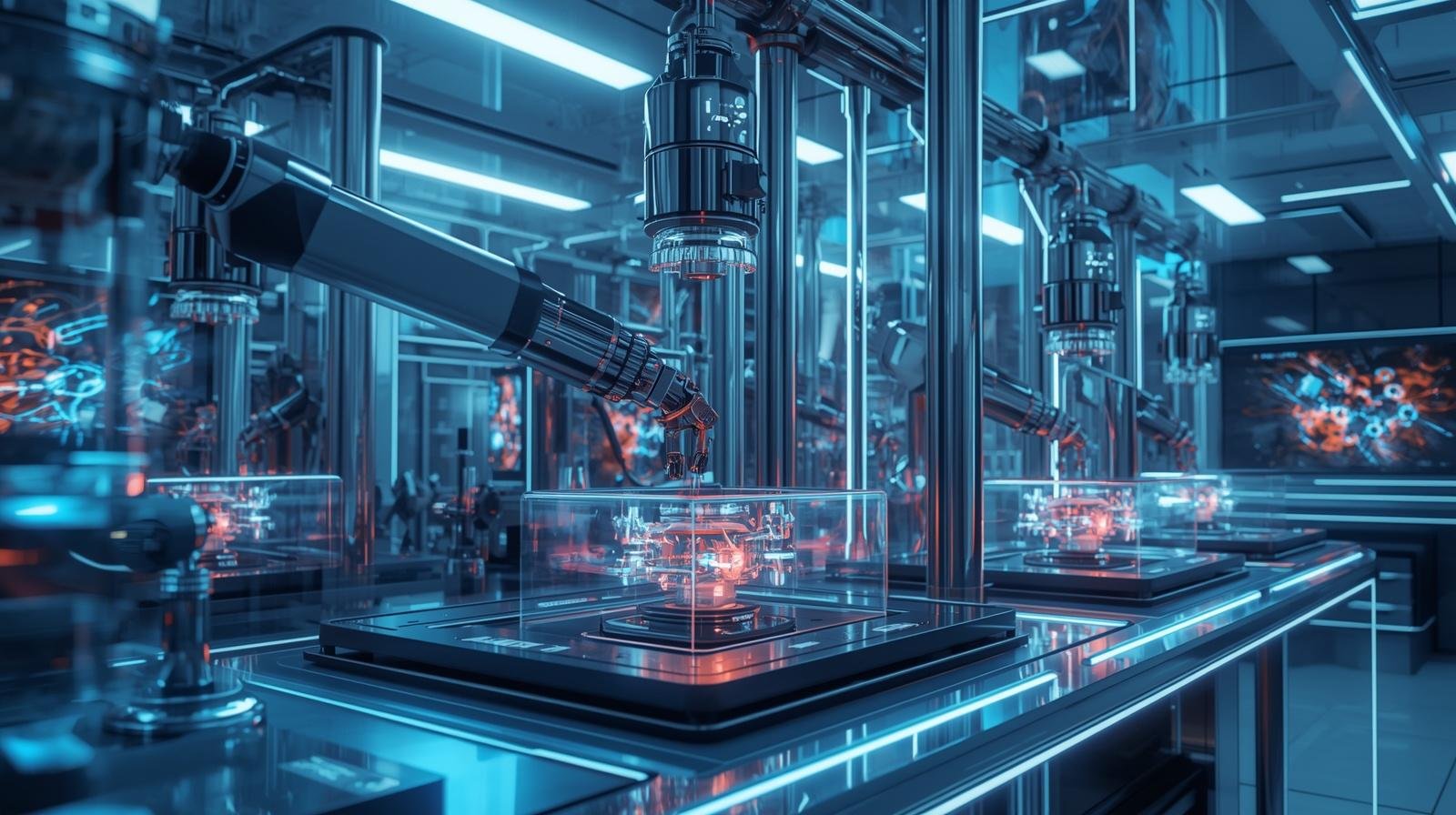
Photochemistry is entering a transformative phase driven by advancements in artificial intelligence, automation, and smart reactor technologies. These innovations are reshaping how chemical reactions are designed, optimized, and scaled, enabling faster discovery and more efficient industrial processes.
The Role of Artificial Intelligence
Artificial intelligence (AI) is revolutionizing reaction optimization by analyzing large datasets and predicting optimal reaction conditions. Machine learning models can identify patterns in photochemical reactions, reducing the need for extensive experimental trials.
Automation in Chemical Synthesis
Automated systems allow precise control over reaction parameters such as light intensity, temperature, and flow rates. This ensures reproducibility and enables continuous operation, which is essential for industrial applications.
Smart Photoreactors
Modern photoreactors are equipped with sensors and control systems that monitor reaction conditions in real time. These systems can adjust parameters dynamically, improving efficiency and reducing waste.
Key Advantages
Faster Reaction Optimization
AI-driven models significantly reduce development time.
Improved Reproducibility
Automation ensures consistent results across experiments.
Enhanced Efficiency
Smart reactors optimize photon usage and reaction conditions.
Integration with Flow Chemistry
The combination of photochemistry with flow systems enables continuous production and better scalability. This integration is particularly useful in pharmaceutical manufacturing and fine chemical production.
Challenges Ahead
Despite these advancements, challenges remain:
High initial setup costs
Integration complexity
Need for standardized data
Future Directions
The future of photochemistry lies in fully integrated systems where AI, automation, and advanced reactor design work together. These systems will enable autonomous laboratories capable of optimizing reactions with minimal human intervention.
Conclusion
AI and smart technologies are transforming photochemistry into a more efficient, scalable, and data-driven discipline. As these tools continue to evolve, they will play a crucial role in shaping the future of chemical research and industrial production.